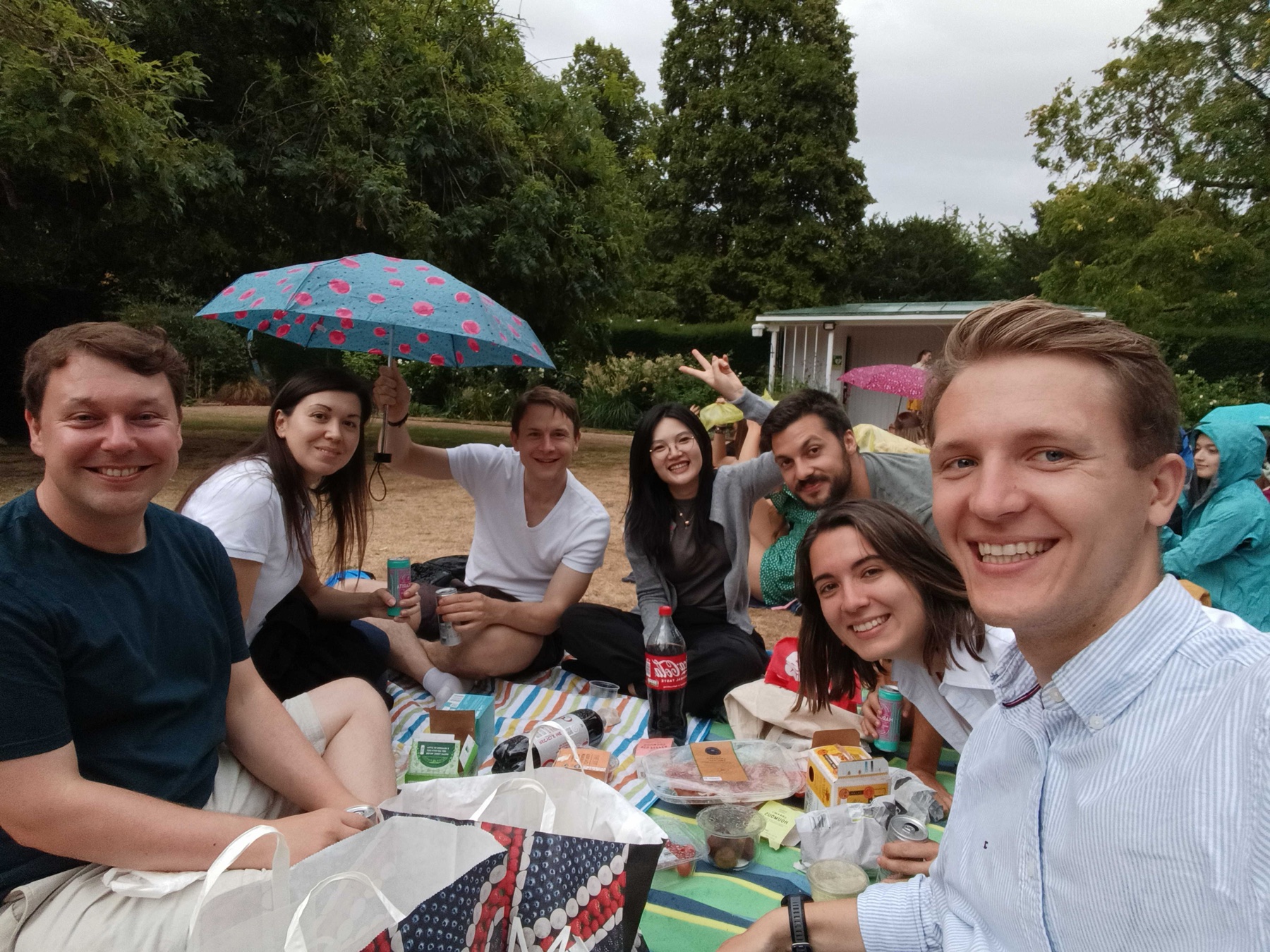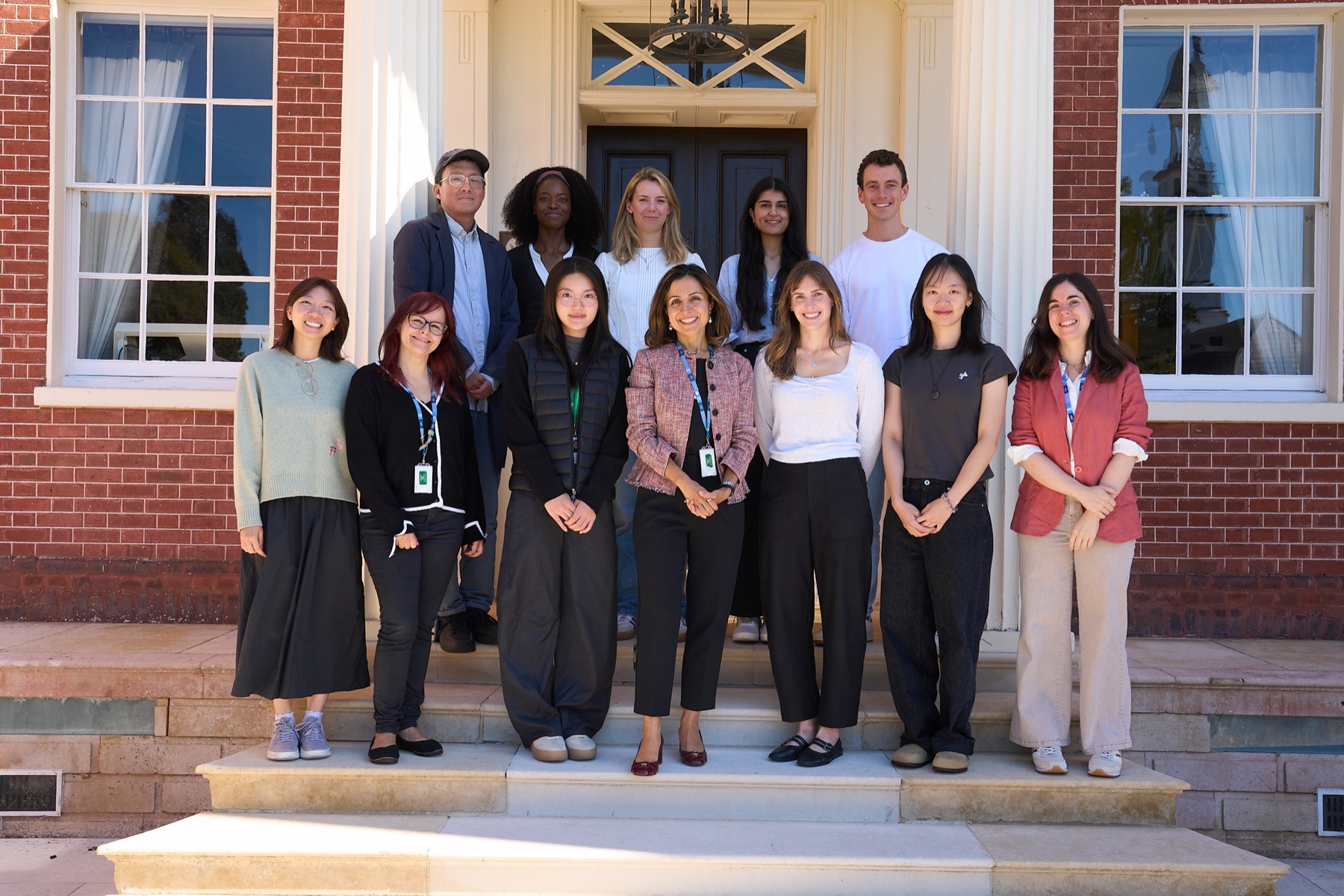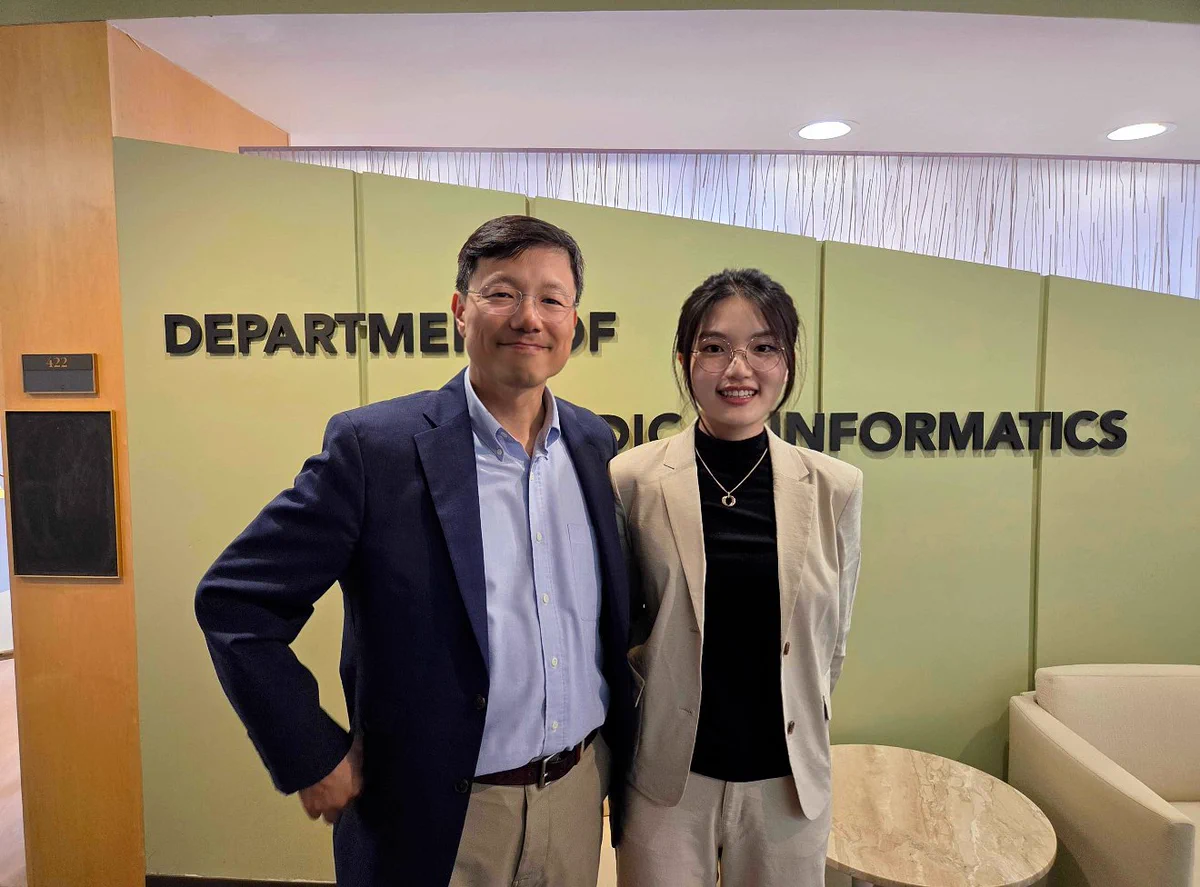
Yifan Zhao

Yifan Zhao

Postdoctoral Fellow

EMBL-EBI

Cambridge, United Kingdom

About me

I’m a computational biologist studying somatic mutation and clonal fate. My work combines single-cell genomics, statistical modeling, and machine learning to understand how mutations arise and shape the fate of cells.

As a postdoctoral fellow at EMBL-EBI, I work with Tim H. H. Coorens and Raheleh Rahbari to investigate mutation and clonal selection in the ageing human male germline, using single-cell genomics to study mutations and their transmission across generations.

I completed my PhD at MIT (2020–2025) under the mentorship of Peter J. Park. During my PhD, I developed methods to study mutations in single-cell genomes, focusing on somatic copy-number alterations in the human brain before and after birth. Previously, I earned an Honours BSc in Computer Science and Biology at McGill University (2017–2020).

Research & open-source tools

Projects

Somatic mutation, clonal fate, and the tools to study them.

02 / Single-cell DNA

HiScanner

Resolving copy-number changes, one cell at a time.

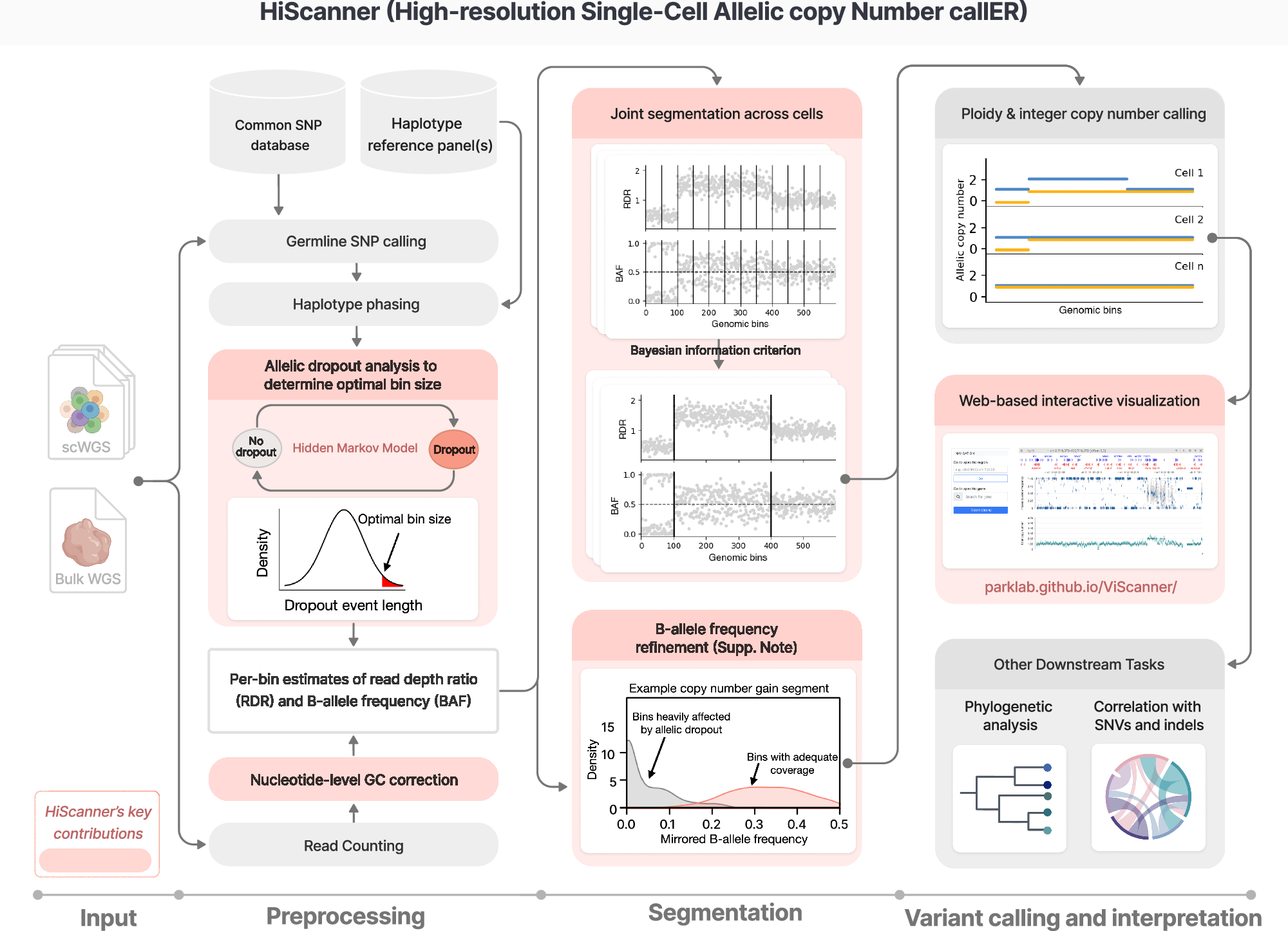
High-resolution, allele-specific copy-number analysis from single-cell whole-genome sequencing. HiScanner combines read depth and haplotype information to reveal somatic copy-number alterations and cellular heterogeneity.

How it works

Combine read depth and allelic information

Count reads, correct GC effects, call and phase heterozygous variants, and use allelic dropout to guide bin-size selection.

Find shared copy-number boundaries

Joint segmentation across cells combines read-depth ratios and B-allele frequencies to identify genomic changes.

Resolve allelic copy number

Infer ploidy and integer copy numbers, then explore profiles and relationships between cells in ViScanner.

HiScanner Figure 1: preprocessing, allelic dropout analysis, joint segmentation, and allele-specific copy-number calling.
Figure 1 · Zhao et al., Nature Communications (2025). CC BY 4.0. Created with BioRender.

03 / Single-cell RNA

scETM

Make cell embeddings biologically interpretable.

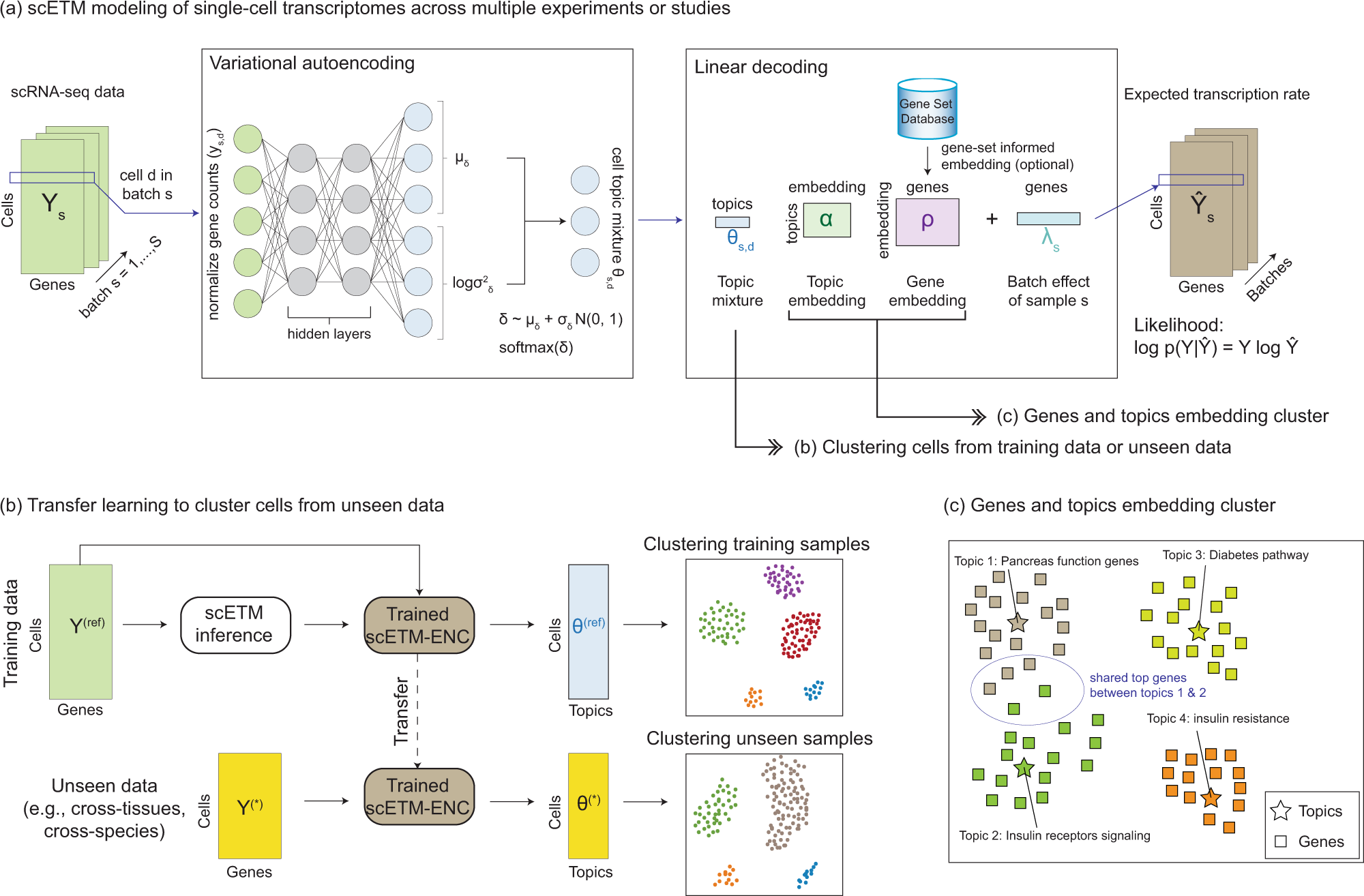
A generative topic model for integrating single-cell transcriptomes. scETM learns cell-topic mixtures alongside gene and topic embeddings, connecting cellular variation to interpretable gene signatures.

How it works

Represent each cell as a mixture of topics

A variational encoder maps normalized gene-expression profiles to a low-dimensional cell-topic representation.

Connect cells, genes, and topics

A linear decoder models expression using shared gene and topic embeddings, with batch-specific effects and optional gene-set information.

Interpret signatures and map new cells

Explore topic-associated gene signatures and pathways, or apply the trained encoder to unseen datasets.

scETM Figure 1: a variational encoder learns cell-topic mixtures and a linear decoder connects topic and gene embeddings; transfer learning maps unseen cells.
Figure 1 · Zhao, Cai et al., Nature Communications (2021). CC BY 4.0.

04 / Live-cell imaging

CentTracker

From microscopy movies to mitotic dynamics.

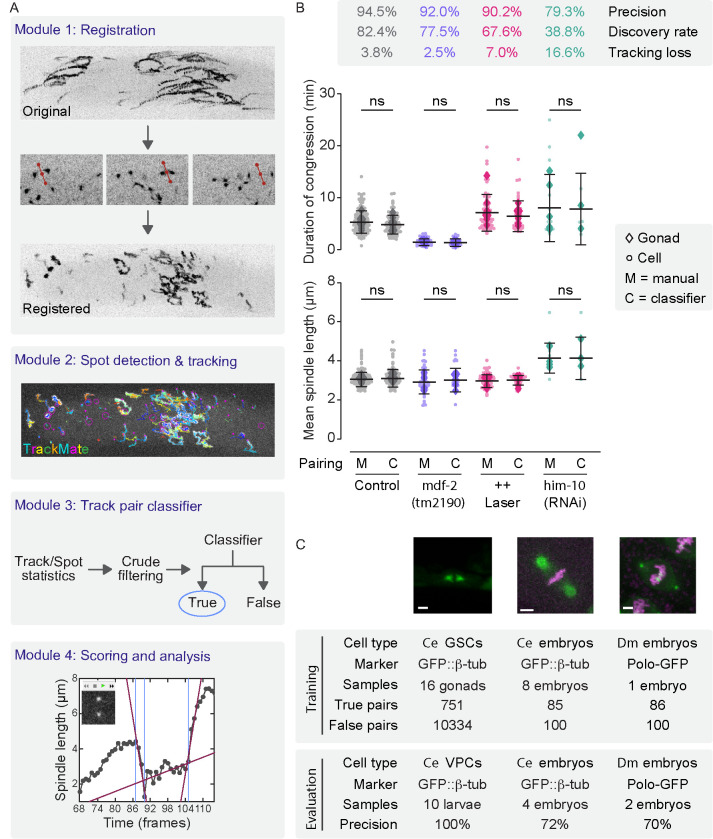
Trainable image analysis for centrosome tracking and pairing in live-cell microscopy. CentTracker combines image registration, tracking, and classification to quantify germline stem-cell mitosis in C. elegans.

How it works

Register the sample and follow centrosomes

Correct sample motion, then detect and track centrosomes through the TrackMate workflow.

Identify centrosomes from the same cell

A trained random-forest classifier uses track and spot features to distinguish true centrosome pairs.

Extract the dynamics of mitosis

Score mitotic landmarks and quantify features such as spindle length and the duration of congression.

CentTracker Figure 3: image registration, TrackMate spot detection and tracking, track-pair classification, and scoring of mitotic dynamics.
Figure 3 · Zellag et al., Molecular Biology of the Cell (2021). CC BY-NC-SA 3.0.
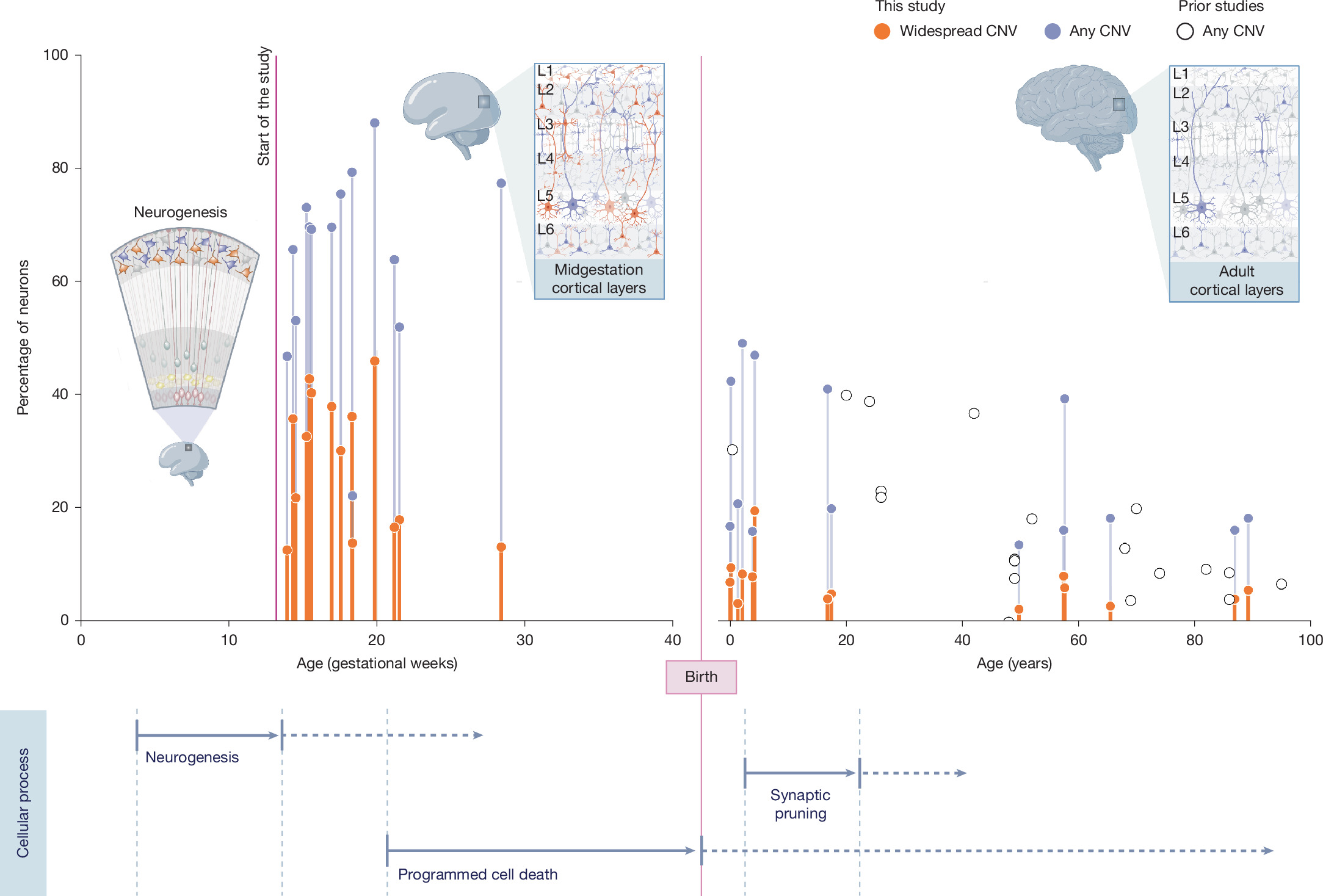
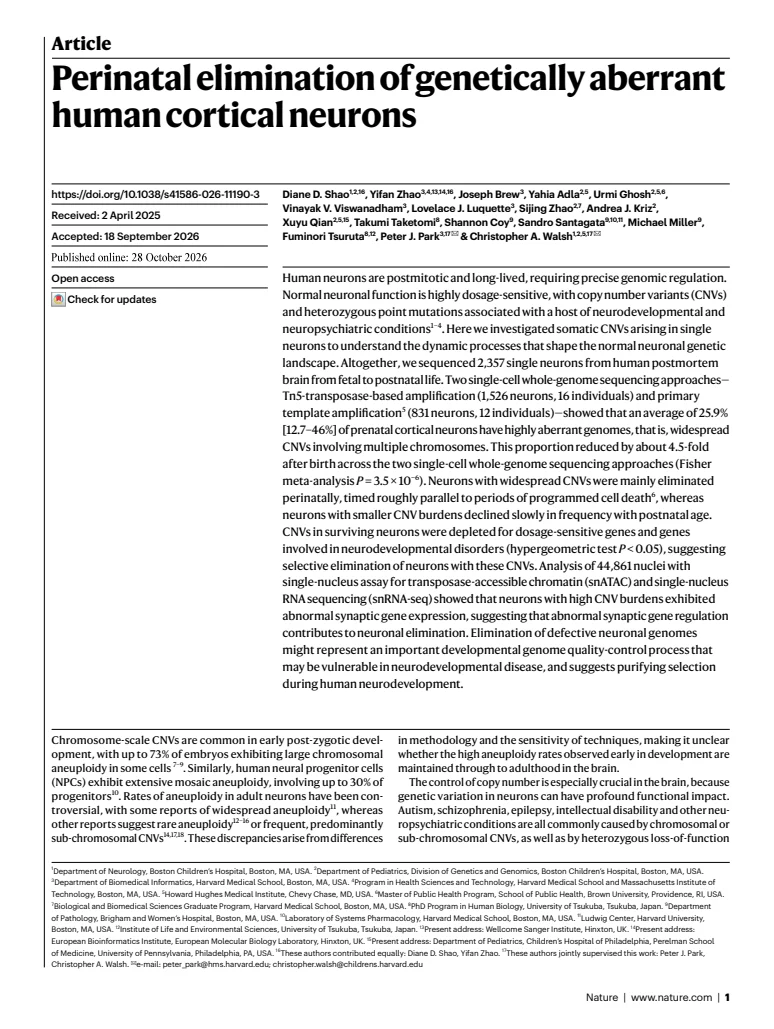
  1. Perinatal elimination of genetically aberrant human cortical neurons

    Shao D. D.*, Zhao Y.*, …, Park P. J., Walsh C. A.

    Nature · 2026

    First page of Perinatal elimination of genetically aberrant human cortical neurons Read PDF
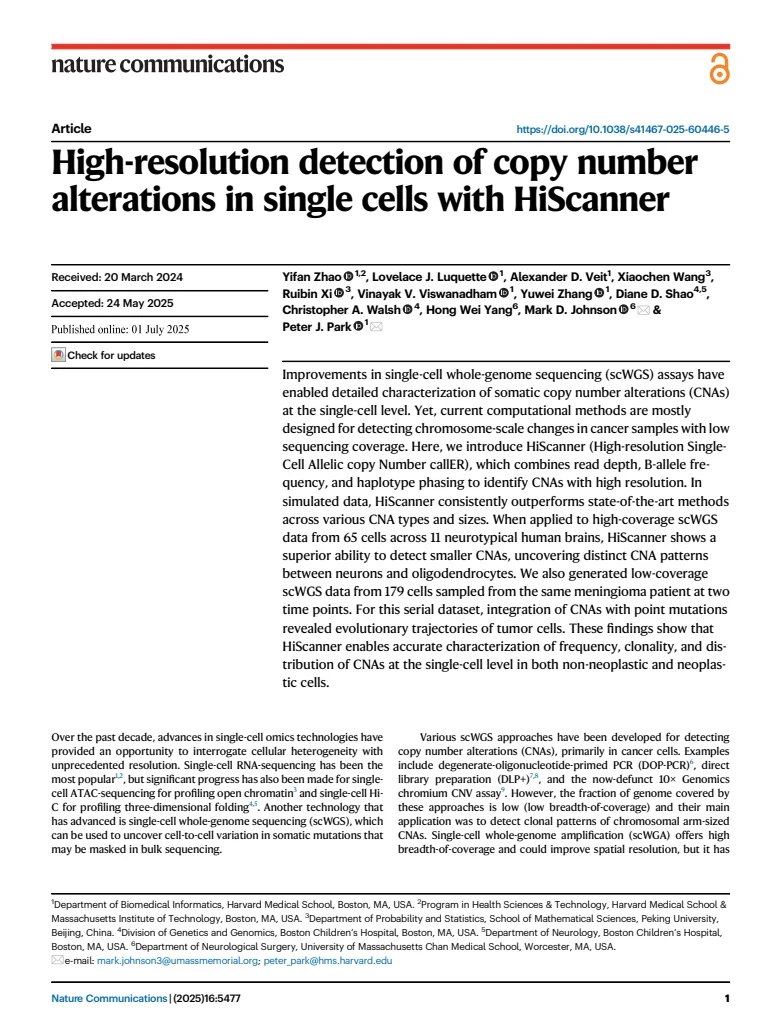
  2. High-resolution detection of copy number alterations in single cells with HiScanner

    Zhao Y., Luquette L. J., …, Johnson M. D., Park P. J.

    Nature Communications, 16:5477 · 2025

    First page of High-resolution detection of copy number alterations in single cells with HiScanner Read PDF
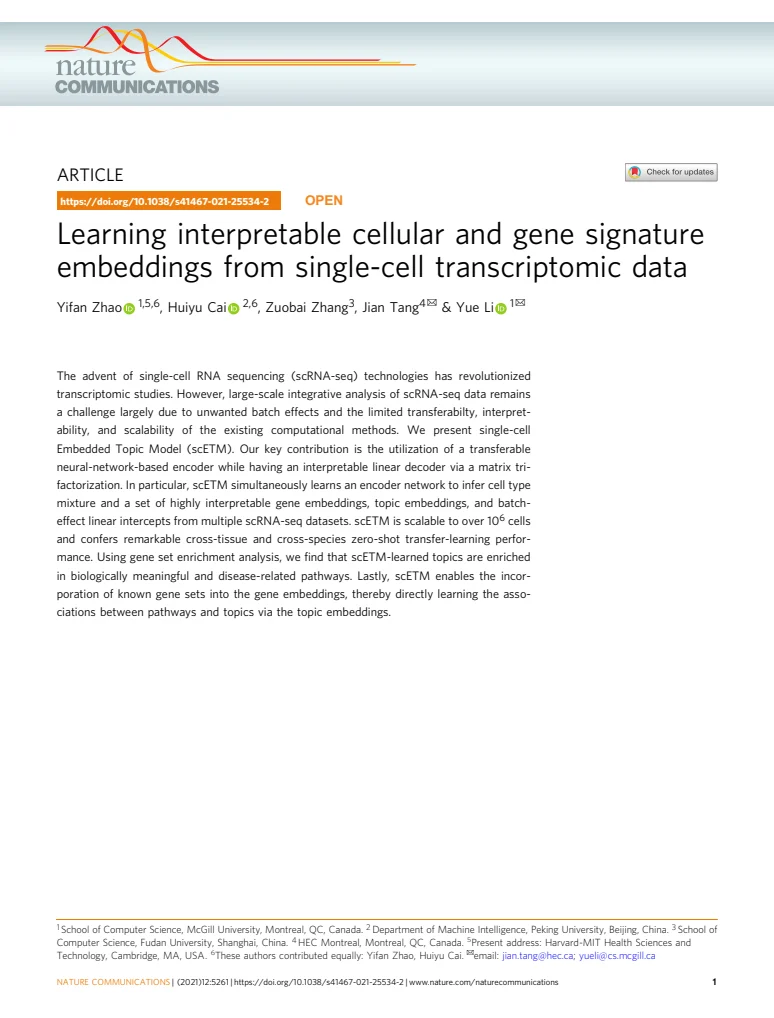
  3. Learning interpretable cellular and gene signature embeddings from single-cell transcriptomic data

    Zhao Y.*, Cai H.*, Zhang Z., Tang J., and Li Y.

    Nature Communications, 12:5261 · 2021

    First page of Learning interpretable cellular and gene signature embeddings from single-cell transcriptomic data Read PDF

News

  1. Brain somatic mosaicism study published in Nature

    I co-led Perinatal elimination of genetically aberrant human cortical neurons with Diane Shao. HMS news · Nature news →

  2. Clonal hematopoiesis at ASHG

    I presented our latest work linking genotype to phenotype in clonal hematopoiesis at ASHG in Montreal.

  3. Postdoc Academy spotlight

    The University of Cambridge’s Postdoc Academy featured my research on somatic mutation and my experience starting a postdoc in Cambridge.

  4. Journal club at the Broad Institute

    Diane Shao and I presented our work on copy-number alterations in the fetal brain at the Somatic MutAtion Research Trainee (SMART) Journal Club at the Broad Institute.

  5. Single-Cell Cancer Biology GRC & GRS

    I presented my PhD research at the Gordon Research Conference on Single-Cell Cancer Biology and co-chaired the 2026 Gordon Research Seminar with Laura Quevedo in Ventura.

  6. Somatic Evolution Network seminar

    I presented our work on copy-number alterations in the fetal brain at the Somatic Evolution Network seminar in Cambridge, UK.

Earlier milestones · 2025 and before
  1. Postdoctoral research in the UK

    I joined the groups of Tim Coorens and Raheleh Rahbari as a postdoctoral fellow to study mutation and clonal selection in the human germline.

  2. Swiss Institute of Bioinformatics honourable mention

    Our work on interpretable single-cell transcriptomic embeddings, scETM, received an honourable mention in the Bioinformatics PhD Paper Awards from the SIB Swiss Institute of Bioinformatics.

  3. HiScanner published

    HiScanner, our method for high-resolution, allele-specific copy-number analysis of single cells, was published in Nature Communications.

  4. PhD thesis defended

    I defended Decoding Brain Somatic Mosaicism with New Single-Cell Copy Number Analysis Methods, advised by Peter J. Park. I’m grateful to my mentors, collaborators, and labmates for their support. Photo · Thank-yous →

  5. scETM published

    Huiyu Cai and I co-led the development of scETM for integrating single-cell transcriptomes and learning interpretable cellular and gene signatures. Our study was published in Nature Communications.

  6. Graduated from McGill

    I graduated from McGill with an Honours BSc in Computer Science and Biology, First Class with Distinction.

  7. Governor General’s Medal (Bronze)

    At my Centennial Secondary graduation ceremony, I received the Governor General’s Academic Medal (Bronze) and the British Columbia International Student Ambassador Scholarship.

All presentations ›
ProductivityListen on Apple Music →